
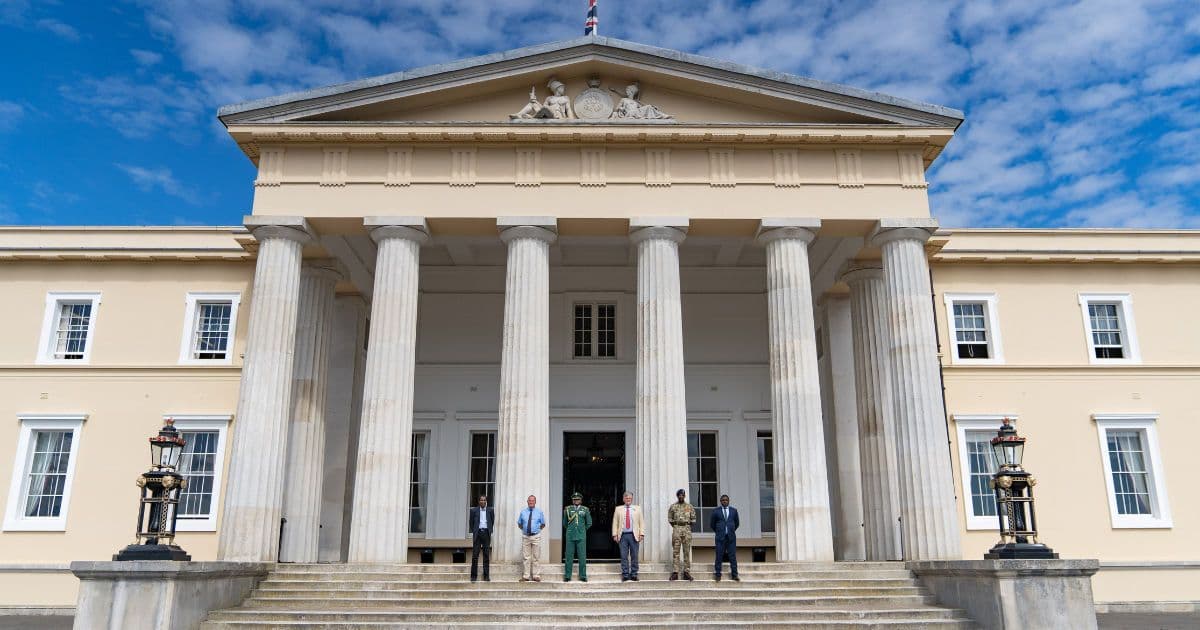
What training is involved once I get to RMA Sandhurst, what else can I expect ?
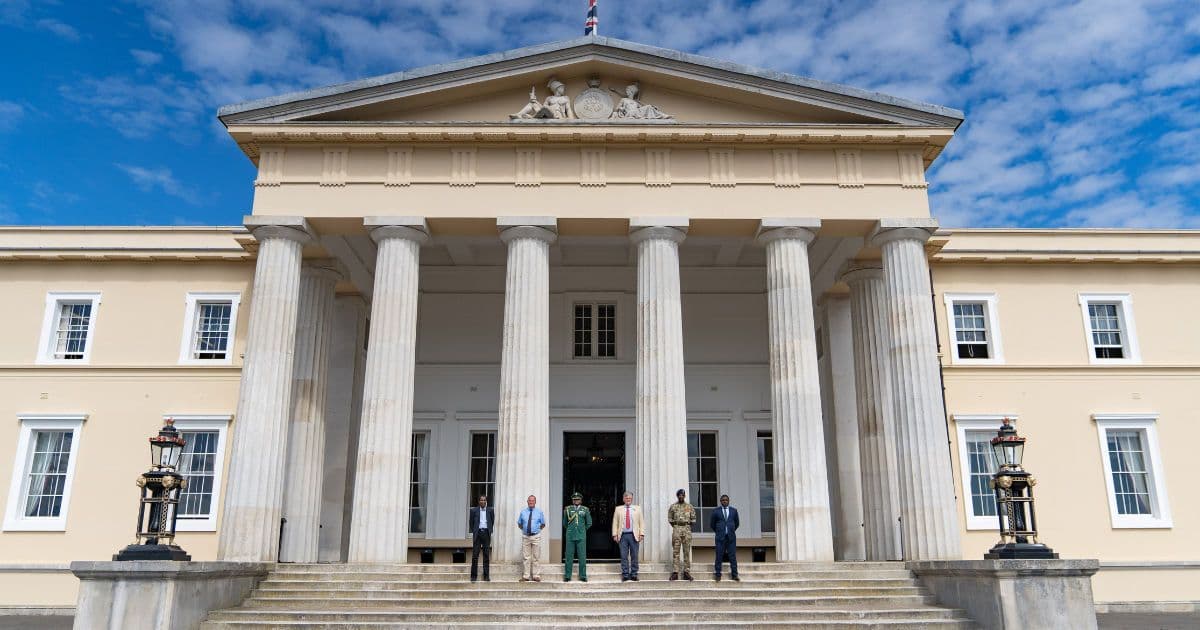
If you're heading to the Royal Military Academy Sandhurst, expect it to be much more than fitness and drill. The aim is to turn you into a junior Army officer capable of leading soldiers under pressure. Recruits are from all over the world as Sandhurst is recognised for its excellence in developing senior leaders in the military.
Training you will do:
Military skills
- Fieldcraft and tactical exercises
- Navigation and map reading
- Weapons handling and marksmanship
- Section and platoon-level tactics
- Military planning and orders processes
- Drill and ceremonial training
Leadership training
- Leading teams in stressful situations
- Decision-making under time pressure
- Command tasks and leadership exercises
- Managing soldiers' welfare and discipline
- Developing confidence, judgment and communication skills
Physical training
- Strength and endurance development
- Loaded marches
- Obstacle courses
- Running and circuit training
- Military fitness assessments
Academic study
- Leadership theory
- Defence and international affairs
- Military history and war studies
- Applied behavioural sciences and communication
What the course looks like
The Regular Commissioning Course is divided into three terms over roughly 44 weeks.
Junior Term
- Learn basic soldiering skills
- Build fitness
- Introduction to leadership
- Several field exercises
Intermediate Term
- Leadership responsibilities increase
- More complex tactical exercises
- Academic work becomes more significant
- Regimental/corps selection process begins
Senior Term
- Complex exercises in the UK and overseas
- Greater responsibility and independence
- Final assessments before commissioning
What to expect day-to-day
Many officer cadets are surprised by:
- Very early starts
- Constant time pressure
- High standards for dress, kit and room inspections
- A lot of administration and preparation
- Little free time during busy periods
- Living and working closely with people from very different backgrounds
The biggest challenges
Most people find that:
- Leadership assessments are harder than the fitness.
- Mental resilience matters as much as physical fitness.
- Attention to detail is constantly tested.
- Learning to help your team succeed is more important than trying to stand out individually.
After Sandhurst
Once commissioned as a Second Lieutenant, you'll normally move on to specialist Phase 2 training with your chosen regiment or corps, where you learn your branch-specific role.
Our biggest practical advice is to arrive with a positive mindset and a strong aerobic base, good upper-body strength, and plenty of experience carrying weight over distance. The fitter you are, the more mental bandwidth you'll have for the leadership and tactical aspects, which is where many cadets are really assessed. Be prepared to be shouted at by the staff!
What are the regiments I can join after Sandhurst?
After Sandhurst, you don't simply pick any regiment you want. During training you'll go through the Regimental Selection process, where both you and the regiment assess whether you're a good fit.
Broadly, British Army officers can join:
Combat Arms
Household Division
- Grenadier Guards
- Coldstream Guards
- Scots Guards
- Irish Guards
- Welsh Guards
The Royal Armoured Corps
- Royal Tank Regiment
- The King's Royal Hussars
- Queen's Royal Hussars
- Royal Lancers
- Royal Dragoon Guards
- Light Dragoons
The Infantry A large number of battalions including:
- Parachute Regiment
- Royal Regiment of Scotland
- The Rifles
- Duke of Lancaster's Regiment
- Royal Anglian Regiment
- Mercian Regiment
- Royal Welsh
- Princess of Wales's Royal Regiment
- Yorkshire Regiment
- Royal Irish Regiment
- Others
Combat Support
Royal Artillery
- Guns, missiles, surveillance, drones and air defence.
Corps of Royal Engineers
- Military engineering, bridges, demolitions, infrastructure, bomb disposal support.
Royal Corps of Signals
- Communications, cyber, networks and information systems.
Combat Service Support
Royal Logistic Corps
- Supply chain, transport, ammunition and logistics.
Royal Army Medical Service
- Medical support (for qualified medical officers and supporting officers).
Royal Electrical and Mechanical Engineers (REME)
- Equipment maintenance and technical engineering.
Adjutant General's Corps
- Personnel, HR, military police, educational and administrative specialisms.
Specialist Branches
Army Air Corps
- Aviation and helicopter operations (including pilot routes).
Intelligence Corps
- Intelligence analysis, security and operational intelligence.
Royal Army Veterinary Corps
- Veterinary officers.
Royal Army Dental Corps
- Dentists.
Corps of Army Music
- Military musicians.
Which are the most competitive?
Generally, some of the most sought-after officer commissions include:
Parachute Regiment
Intelligence Corps
Army Air Corps (pilot route)
Royal Gurkha Rifles (for eligible candidates)
Household Division regiments
Certain cavalry regiments such as the Life Guards and Blues and Royals
Competition and availability vary from intake to intake.
How do you choose?
The main questions are:
- Do you want to lead infantry soldiers on the ground?
- Are you interested in tanks and armoured warfare?
- Do you prefer engineering, cyber or technical roles?
- Are you interested in aviation?
- Do you want a role with strong civilian skill transfer such as logistics, intelligence, signals, or engineering?
A common misconception is that every officer spends their career doing the same thing. In reality, even infantry and cavalry officers move into staff, planning, instructional and specialist appointments later in their careers.
Thank you for the information which has been extremely useful. I attended a Sovereigns parade once and it is a fantastic institution.